

 April 30, 2026
 blog
blog
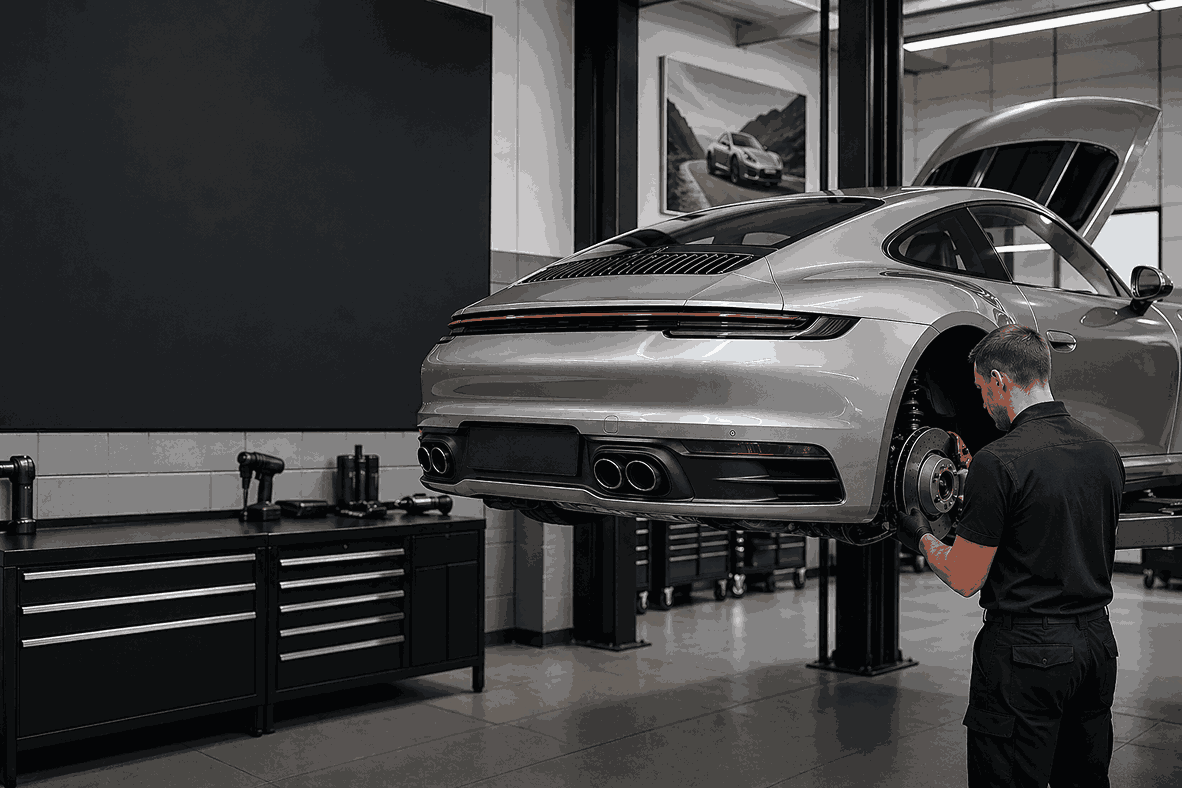
Driving a high-performance car like a Porsche in hot weather like in Abu Dhabi, especially, around Mussafah needs more care. These cars are built for speed and precision. If the cooling system doesn’t work just right the engine can overheat fast.
If you see the temperature gauge going up warning lights on or your car not performing you need to do something quickly. This guide will tell you why Porsche overheating problems, what usually causes it signs to look out for and what experts do to fix it and keep your car running.
A Porsche engine usually gets too hot because of problems with the cooling system, not coolant issues with the radiator the thermostat not working right or driving in very bad conditions. In hot places like Abu Dhabi these problems can get worse very quickly so it is very important to figure out what is wrong right away.
You should know what to look for so you can stop damage to your engine:
If you do not pay attention to these signs it can cause very bad damage to your Porsche engine, like bent parts or your Porsche engine stopping work completely.
The coolant helps to keep the engine at a temperature. If the coolant levels get low because of leaks or it evaporates the engine will get too hot.
Why it happens:
Expert Fix:
You should check the coolant levels often. Add more if needed with the right type of fluid. The technicians at FixMyCar look, for leaks and make sure the coolant levels are just right.
The radiator helps to cool the engine by getting rid of heat. In places like deserts things like dust, dirt or rust can make it work well.
Expert Fix:
Radiator flushing, cleaning, or replacement if necessary. Professional servicing ensures proper airflow and cooling efficiency.
The thermostat helps control the coolant flow. If it gets shut the coolant can’t move around and that makes the engine overheat fast.
Symptoms:
Expert Fix:
Thermostat replacement using high-quality parts. This is a quick but critical repair.
The water pump circulates coolant through the engine. If it fails, heat builds up rapidly.
Causes:
Expert Fix:
Inspection and replacement of the water pump. Early detection prevents major engine damage.
The cooling fans in my car help keep the temperature under control when I’m stuck in traffic or moving slowly. If they’re not working right my car can overheat.
Some common problems I’ve seen are:
Expert Fix:
They check the system and then fix or replace the fan motor.
Engine oil not only lubricates but also helps cool internal components. Low or degraded oil can increase engine temperature.
Expert Fix:
Regular oil changes with Porsche-approved oil to maintain optimal performance.
Sometimes we drive in hot weather or in a lot of traffic. We might even drive fast. This can make the engine very hot.
Expert Fix:
We should check the car often. Do things to prevent problems. We need to do this because of the way it’s in the UAE, with the hot weather and all.
Professional repair centers do things step by step:
1.Advanced Diagnostics – Using specialized tools to identify the root cause
2.Cooling System Inspection – Checking radiator, hoses, coolant levels
3.Component Testing – Thermostat, water pump, sensors
4.Repair or Replacement – Using OEM or high-quality parts
5.Performance Testing – Ensuring the issue is fully resolved
At Fixmycar the technicians are good, at finding problems and fixing cars. They make sure your Porsche runs well even when its hot or cold outside.
Mussafah has good car workshops and skilled technicians. If you choose a service center for your Porsche you get:
With Fixmycar Porsche owners get expert care for their Porsche transparent pricing and reliable service that is tailored to Porsche high-performance vehicles and that is good, for Porsche.
If your Porsche gets too hot you should not ignore it. This can start as a problem but it can become a big issue with the engine if you do not take care of it.
You need to know why this is happening and do something about it. This way you can keep your Porsche in shape and it will keep running well. If you take your Porsche to a repair shop like Fixmycar, in Mussafah they will figure out what is wrong and fix it properly. This means you will feel safe every time you drive your Porsche.
What should I do if my Porsche starts overheating?
Stop the vehicle immediately, turn off the engine, and allow it to cool before checking coolant levels. Avoid driving until the issue is diagnosed.
Can I drive my Porsche if it is overheating?
No, driving an overheating vehicle can cause severe engine damage and expensive repairs.
How much does it cost to fix Porsche overheating in Abu Dhabi?
Costs vary depending on the issue, but early diagnosis can significantly reduce repair expenses.
How often should I check my Porsche cooling system?
It’s recommended to inspect the cooling system during every service or at least every 6 months in hot climates.
 Check Map